
5 Drywall Problems That Paint Alone Will Not Fix
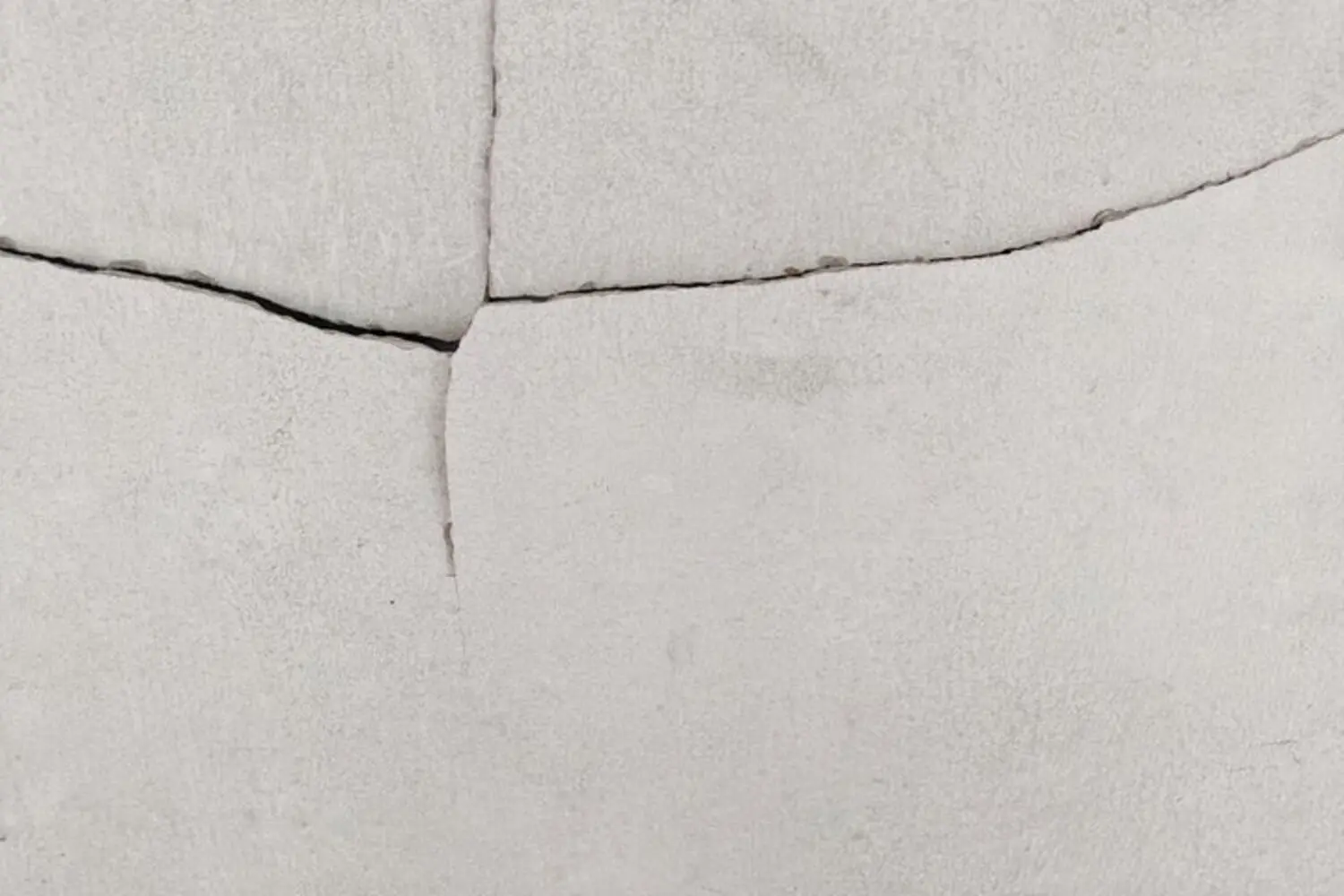
There is a wall in a lot of homes that has been quietly waiting. A crack near the door frame. A nail bump that has been there for years. A soft spot in the corner that no one mentions. The plan, usually, is to paint over it and see what happens.
What happens is this: the problem becomes more visible, not less. Paint draws the eye evenly across a surface. Any irregularity underneath catches the light in a way it did not before. And the homeowner is left with a fresh paint job that immediately reveals the problem they were hoping to hide.
Here are five drywall problems that paint cannot resolve, why each one gets worse when painted over, and what a professional addresses before any paint goes on.
Paint Is a Finish, Not a Fix
Paint forms a thin, consistent film over whatever surface sits beneath it. It does not fill cracks. It does not bond loose material. It does not stop moisture or re-anchor fasteners. It follows the contour of the surface instead of leveling it.
This is why damaged walls often look worse after painting than before. The fresh coat unifies the sheen across the wall and makes every bump, ridge, and hollow more apparent. A homeowner who paints over unresolved damage typically ends up paying twice — once for the paint job and again for the repair and repaint. Those costs add up quickly depending on what the walls actually need once a professional assesses them.
Prep work happens before paint. What that prep involves depends on what the wall has wrong with it.
Nail Pops
Nail pops appear as small round bumps on the wall surface, sometimes ringed by a hairline crack. They form when the fasteners holding drywall to the framing behind it work their way back toward the surface.
Many homeowners assume paint will flatten them out. It will not. A round bump under a coat of fresh paint is still a round bump. The sheen of new paint often makes it more visible because it catches light differently than the surrounding wall.
The deeper issue is what causes the pop in the first place. Framing lumber shrinks as it dries. When the wood behind the drywall contracts, fasteners can loosen and migrate outward. Painting over a nail pop without re-anchoring the panel means the problem returns within a season or two.
A proper repair involves:
- Driving a new screw into the framing to secure the panel
- Countersinking the original fastener
- Applying joint compound over both
- Sanding smooth and priming before paint
Each of those steps takes time and materials. None of them can be skipped.
Failing or Bubbling Seam Tape
Drywall panels join at seams. Tape and joint compound cover those seams and create the smooth, continuous surface that paint goes over. When that tape fails — when it lifts, bubbles, or separates from the wall — it creates a ridge or hollow just beneath the surface.
Paint over a failing seam does not press the tape back down. It covers the seam temporarily and then follows its shape exactly. Within weeks, the ridge or bubble becomes visible through the paint finish. This shows up most clearly in raking light from windows or lamps positioned close to the wall.
Seam tape fails for a few reasons:
- Poor original adhesion during installation
- Moisture exposure that breaks down the bond over time
- Age and natural deterioration
Once the bond between tape and joint compound is gone, paint cannot restore it. Repair means cutting out the failing section, applying new compound, embedding fresh tape, feathering the edges smooth, and priming before paint. Getting that surface ready correctly before paint goes on is what keeps the repair invisible long-term.
Cracks From Structural Movement
Not all cracks are the same. A hairline crack in an isolated spot can be cosmetic. Cracks that follow a taped seam, run diagonally from the corners of door or window frames, or reopen after previous repairs belong to a different category.
These cracks come from movement in the structure behind the drywall. Homes settle over time. Framing shifts with seasonal humidity changes. When the structure moves, the drywall moves with it and cracks open at the points of tension.
Paint bridges a crack temporarily. It forms a thin film across the gap that looks acceptable for a short time. Then the structure moves again. The crack reopens. The paint film tears along the same line. The homeowner is back where they started.
A crack caused by movement needs assessment before any repair work begins. If the movement is ongoing, patching without understanding why the crack returns will not produce a lasting result. A professional identifies whether the crack is stable or active before recommending an approach.
Water Damage and Staining
Water stains on drywall appear as brown rings, yellowish patches, or dark discoloration. They form when moisture reaches the wall surface and leaves behind mineral residue as it evaporates.
Standard paint does not block water stains. Paint applied over an unprimed stain absorbs unevenly, and the stain bleeds through the topcoat. Sometimes this happens immediately. Sometimes it takes a few days. Multiple coats of standard paint will not reliably cover it.
The more important question is what caused the stain. If the moisture source is still active, painting over the stain delays the repair and allows moisture to continue working behind the wall. Drywall that stays wet long enough develops mold and begins to break down structurally.
Before any paint goes on, two things need to happen:
- The moisture source must be identified and resolved
- The affected area needs stain-blocking primer before topcoat
Skip either step and the paint job fails. The wall problem continues to worsen behind the surface.
Soft or Spongy Drywall
This is the most serious problem on this list. Drywall that feels soft or gives slightly when pressed has absorbed moisture. The gypsum core that gives drywall its rigidity breaks down when it stays wet long enough.
Soft drywall cannot hold paint correctly. The compromised substrate does not give paint a stable surface to bond to. More importantly, drywall at this stage typically has mold growing inside the panel, in the paper facing, or in the wall cavity behind it.
Paint applied over soft drywall will bubble, peel, or fail quickly. But the cost of ignoring this problem is not the failed paint job. It is what continues inside the wall while the surface looks acceptable:
- Mold spreads through the panel and into the cavity
- Framing behind the panel can begin to rot
- What starts as a drywall repair becomes a larger remediation project
Soft or spongy drywall needs removal and replacement, not patching or painting. A professional assesses the extent of the damage, identifies the moisture source, and determines what needs to come out before any new material goes in.
What a Professional Looks for Before Any Paint Goes On
Every problem on this list gets worse when painted over. Paint is the last step in a properly prepared wall. It is not a way to skip the steps that come before it.
During an estimate, a professional walks the walls and identifies problems like the ones covered here. They assess whether nail pops need re-anchoring, whether seam tape has lost its bond, whether cracks are stable or active, whether moisture is still present, and whether any sections of drywall have reached the point where replacement is the only correct answer. They scope the repair work before quoting the paint job.
Equipped Painting handles both drywall repair and interior painting. A homeowner who needs both services does not have to coordinate two contractors or wonder whether the repair is ready for paint. Working with a contractor who covers the full scope from assessment through final coat keeps the project on track and avoids the most common way homeowners end up paying twice.
If any of the problems above are visible in your home, the right next step is a professional wall assessment, not a trip to the paint store. Contact us today to request an estimate for drywall repair and interior painting in the greater Seattle area.