Signs Your Home Needs Professional Pressure Washing
Most homeowners notice the signs before they know what to call them. A green tinge creeping up the siding. Dark streaks under the eaves. A driveway that looks permanently dingy no matter how much rain falls on it. Something is off, but it’s not always obvious whether it’s serious or what kind of service actually addresses it.
In the greater Seattle area, these signs appear faster than they do in drier climates. Persistent moisture, limited stretches of direct sun, and the kind of organic growth that thrives in cool and damp conditions mean that what might take years to develop elsewhere can show up on a Renton or Seattle home within a single wet season. And the consequences of leaving it are more serious here too.
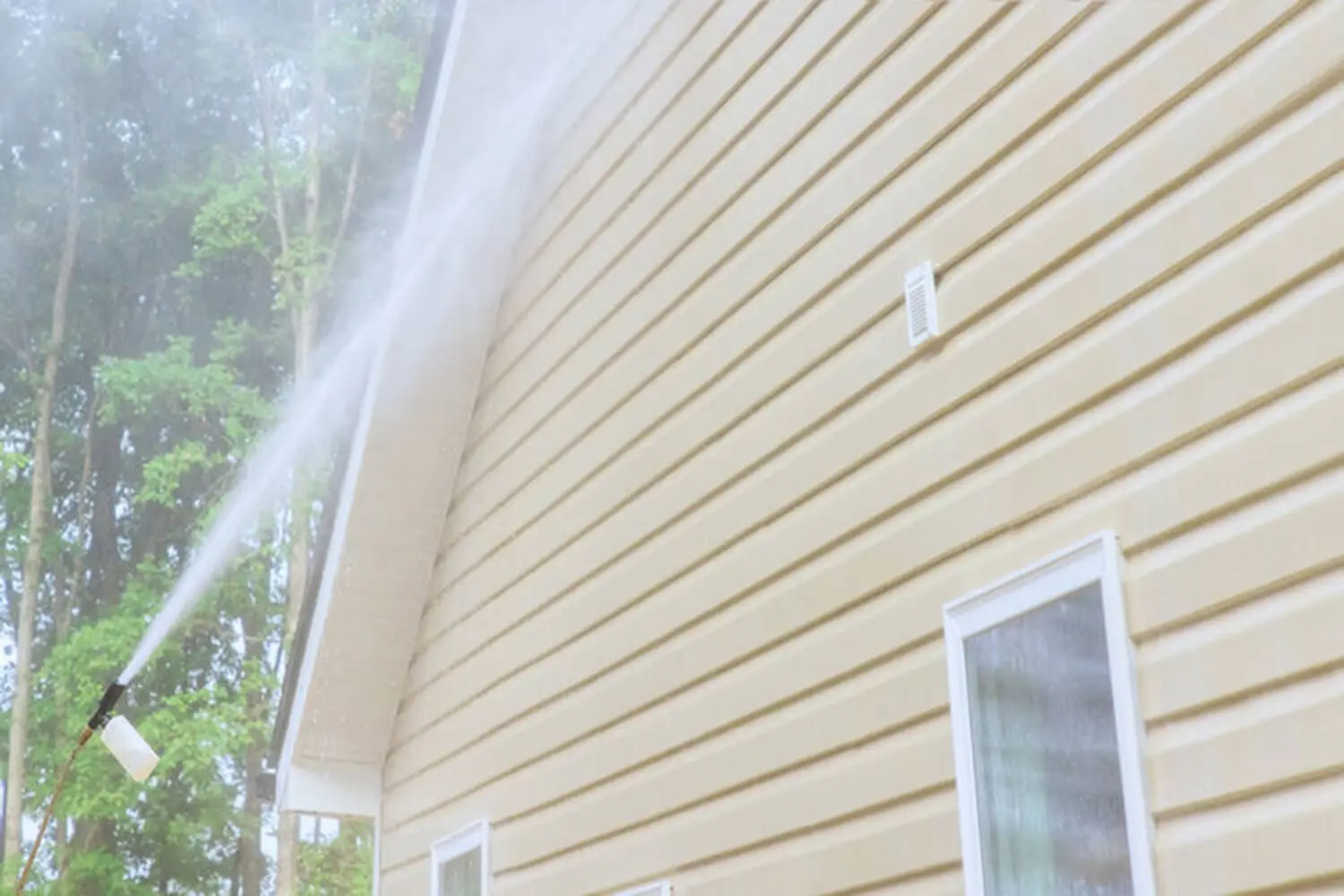
Pressure washing is not just something that happens before a paint job. It is standalone home maintenance that protects siding, walkways, and exterior surfaces between painting cycles. Here are the signs that indicate it’s time.
Pressure Washing Is Standalone Home Maintenance, Not Just Paint Prep
Most homeowners connect pressure washing to painting. The association makes sense — cleaning the exterior is part of preparing a surface for a new coat. But waiting for a painting project to schedule a wash means waiting too long.
In the Pacific Northwest, organic growth accumulates faster than in drier climates. Rain is persistent. Drying time between wet periods is limited. The conditions that allow mold, mildew, and algae to grow are present for most of the year. Left unaddressed, that buildup does not just affect how the home looks. It holds moisture against siding, degrades exterior paint, and in the case of wood siding or substrate, can create conditions for rot over time.
Annual or semi-annual pressure washing is the standard maintenance recommendation for homes in this climate. Not a one-time event tied to a painting project. A regular service that protects the surfaces in between.
Your Home’s Exterior Looks Dull or Dingy Overall
This is the most common early sign, and the one most homeowners notice first. The home just does not look clean. There is no single obvious problem to point to, but the overall appearance is flat, muted, or darker than it should be.
The cause is usually not aging paint or worn siding. It is accumulated film. Airborne dirt, vehicle exhaust, pollen, and environmental debris build up on exterior surfaces over time and form a layer that dulls the finish. In the Pacific Northwest, rain does not wash that film away cleanly. It redistributes it, often pushing it into surface textures and crevices where it bonds and darkens.
Pressure washing removes that accumulated layer and frequently restores a home’s appearance significantly without any painting or repairs. If the home looks tired and the paint is actually in good condition, buildup is usually the culprit.
Streaks and Discoloration Are Running Down Your Siding
Vertical streaks running down siding are one of the more visible signs of exterior buildup. They typically appear in these patterns:
- Brown or rust-colored streaks running below metal fixtures like gutters, nails, or window frames — caused by oxidation washing down during rain events
- Gray or dark streaks along the lower sections of siding panels — caused by dirt and debris carried down with water runoff
- Uneven discoloration concentrated at seams or corners — where water channels consistently during rain
These streaks are more than cosmetic. Where water is channeling down the same path repeatedly, it is finding a route. That can indicate drainage issues, gaps in caulking, or areas where moisture is working behind the siding rather than running off cleanly.
In the Seattle area, overcast conditions mean siding stays damp longer after rain events. That extended contact accelerates streak formation and gives organic material more opportunity to take hold in the runoff path. Streaks that have been present for a season or more may have penetrated into the surface material and require professional-grade pressure to fully remove.
Green or Black Growth Is Spreading Across Surfaces
Green or black growth on siding, fences, and exterior surfaces is biological. It is mold, mildew, or algae, and in the Pacific Northwest it is among the most common signs that a home’s exterior needs professional attention.
- Green growth is typically algae or moss. It appears on surfaces that stay damp and shaded, particularly north-facing walls and areas under tree canopy.
- Black growth is usually mildew or a more established algae colony. It tends to spread in the direction of moisture runoff and can cover large sections of siding quickly once it takes hold.
Both thrive in the conditions the Seattle area provides year-round. Persistent moisture, limited UV exposure, and surfaces that do not fully dry between rain events create exactly the environment these organisms need to establish and spread.
The concern goes beyond appearance. Mold and mildew hold moisture against siding, which degrades exterior paint from beneath the surface. On wood siding or substrate, sustained moisture contact creates conditions for rot. The longer the growth is present, the deeper into the surface material it works.
A garden hose moves the visible growth around the surface. Professional pressure washing removes the biological material from the surface and cleans the conditions that allow rapid regrowth.
Your Driveways and Walkways Are Stained or Slippery
Driveways and walkways accumulate their own set of problems that are easy to overlook because they develop gradually. Common signs include:
- Oil stains and tire marks that have darkened and spread over time
- Green or black discoloration from algae and moss embedded into the concrete surface
- A surface that feels slick underfoot, particularly after rain or in shaded areas
The slippery surface is the most immediate concern. Algae and moss growth on concrete creates a genuine slip hazard on steps, entryways, and sloped surfaces. In a climate with wet falls and winters, that hazard is present for months at a stretch.
Embedded organic growth does not rinse away with water. It has worked into the porous surface of the concrete and needs to be removed at the root, not just at the surface. Professional pressure washing at the appropriate pressure for concrete surfaces accomplishes that. Oil stains and tire marks respond to professional equipment and cleaning agents in a way a garden hose cannot replicate.
Dark Streaks Are Running Down Your Roof
Dark streaks running down a roof surface are the most serious sign on this list, and they require a different response than the other signs covered here.
Those streaks are caused by an algae called Gloeocapsa magma. It feeds on the limestone filler in asphalt shingles and spreads in the direction of water runoff, which is why the streaks follow the slope of the roof and tend to run from the ridge toward the eaves.
The most important thing to understand about roof streaks is that high-pressure washing is the wrong response. Applying high pressure to asphalt shingles strips the granules from the surface, which shortens the life of the roof significantly. The damage from improper pressure washing can exceed the damage from the algae itself.
Professional soft washing addresses roof algae with low pressure and appropriate cleaning agents rather than high-pressure water. It removes the algae without damaging the shingles and slows regrowth. It is a distinct technique from standard pressure washing and requires professional equipment and training.
Leaving Gloeocapsa magma untreated allows it to continue spreading across the roof surface and degrading the shingles underneath. By the time the streaks are clearly visible, the algae has typically been present for more than a season.
A Garden Hose Won’t Remove What Professional Equipment Does
A homeowner who has noticed any of these signs may have already tried to address them with a hose or a consumer pressure washer and found it did not fully work. There are specific reasons for that.
Professional pressure washing equipment operates at significantly higher pressure than a garden hose and is paired with appropriate cleaning agents for each surface type. That combination removes:
- Biological growth like mold, mildew, and algae at the surface level
- Embedded staining in porous materials like concrete
- Surface film and oxidation that water alone cannot dislodge
Different surfaces also require different pressure settings, and this is where DIY pressure washing carries real risk. Concrete handles higher pressure. Siding requires controlled, lower pressure to clean effectively without cracking or damaging the material. Wood surfaces require careful adjustment. Applying too much pressure to the wrong surface can crack vinyl siding, splinter wood, or strip granules from roofing material. A professional assesses the surface before selecting the approach and adjusts technique and pressure accordingly.
For roof work, soft washing is a separate technique entirely that requires professional training and equipment. A consumer pressure washer is not the right tool for a roof regardless of how it is adjusted.
The Signs Are Usually There Before the Damage Is
By the time these signs are visible, the buildup has usually been present for longer than it appears. In the greater Seattle area, the timeline between first accumulation and visible sign is shorter than most homeowners expect, because the climate creates conditions where organic growth and surface deterioration move faster than in drier parts of the country.
The encouraging part is that most of what these signs indicate is still at the maintenance stage. Pressure washing addresses biological growth, surface staining, and accumulated film before they become repair or replacement issues. Catching it at this stage is significantly less expensive than addressing the damage that comes from leaving it.
If any of these signs are visible on your home’s exterior, the right next step is having a professional assess the surfaces and recommend the right approach for each one. Equipped Painting provides pressure washing services throughout Renton and the greater Seattle area. Contact us today to request an estimate and get a clear picture of what your home’s exterior needs.