
What to Do Before Your Commercial Painting Project Begins
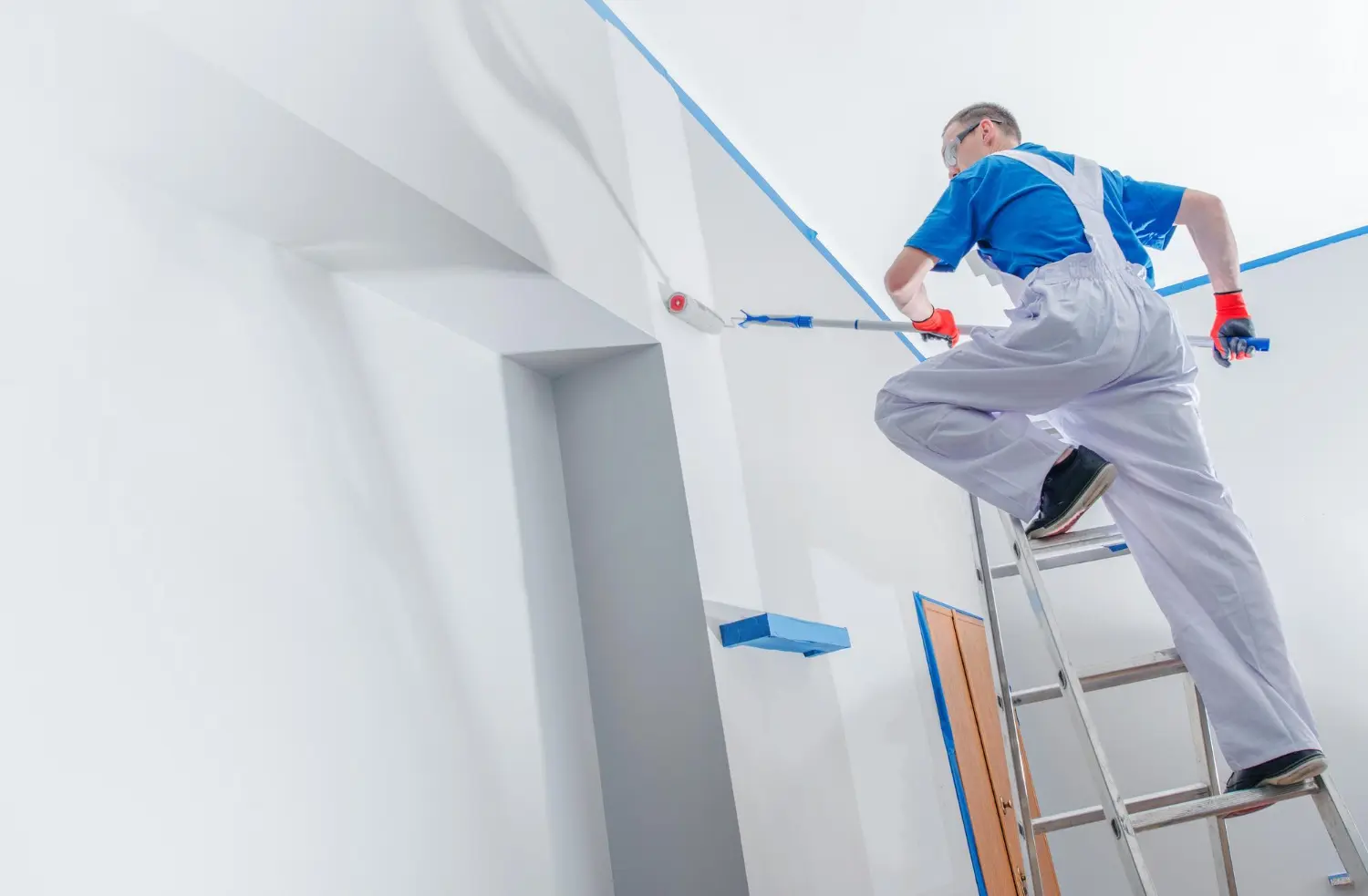
A commercial repaint is more than a fresh coat of color—it’s a coordinated project that affects staff, schedules, and the daily flow of your workspace. Before painters ever step on-site, the way your business prepares will determine how smooth the process feels and how quickly the team can work. Proper planning keeps disruptions low and helps avoid delays, unexpected repairs, or overlooked problem areas.
That’s especially important for commercial painting in Seattle, where building layouts, business hours, and seasonal conditions all play a role in scheduling. Whether you’re refreshing a suite, updating multiple departments, or giving your entire workspace a full makeover, knowing what to do before the project begins ensures everything stays on track. Here’s how businesses can prepare their space so the painting team can deliver clean, efficient results from start to finish.
How to Prepare Before Your Commercial Painting Project Begins
Preparing your workspace ahead of a commercial painting project is one of the simplest ways to keep the job running smoothly and minimize disruptions for your team. Clear communication, organized work areas, and awareness of potential problem spots all help painters work efficiently while protecting your equipment and maintaining productivity.
Whether you manage a small suite or an entire floor, these steps ensure your facility is ready long before the first drop cloth is laid down.
1. Plan Your Commercial Painting Schedule Early
The first thing to determine is when the work will happen. Business schedules don’t always leave much extra time, so it helps to set expectations early. The more flexible the plan, the easier it becomes to avoid major interruptions.
Some businesses schedule by floor or department. Others go room by room. Many prefer evenings or weekends when fewer people are in the workspace. The right approach depends on how your operations run, but all benefit from planning ahead.
Share dates with your staff well before painting begins. Let them know which areas will be off-limits so nobody is caught by surprise. If remote work is an option, this may be the best time to offer it—especially for teams whose areas are being painted.
2. Clear Walls and Work Areas Before Painters Arrive
Before any drop cloths are placed or ladders go up, walls need to be bare and accessible. Removing items ahead of time makes a noticeable difference in how smoothly painters can work.
Clear items such as:
- Wall art, clocks, calendars, or bulletin boards
- Shelving or display cases (both fixed and floating)
- Desktop lamps, plants, or decor near the wall
Desks, filing cabinets, and shared counter spaces should also be cleared of items like paperwork, computers, and personal belongings. If certain pieces can’t be moved, they should be covered and labeled to stay protected. Coordinating with your facilities or administrative team makes the job easier for everyone involved.
3. Protect Technology, Equipment, and Furnishings
Electronics and commercial equipment are often the most sensitive items in a workspace. A few paint specks or sanding dust can cause bigger issues than expected. Preparing technology properly helps prevent unexpected downtime.
Cover monitors, printers, phones, and networking stations with plastic or fabric sheets. Move what you can out of the work zone. Secure cords, chargers, and cables, and label them so reassembly is simple later.
Furniture should be moved away from walls being painted. Even a few feet of clearance allows painters to work faster and cleaner. If other rooms are limited on space, items can be grouped toward the center and covered. When planned in advance, this keeps your workspace organized throughout the project.
4. Point Out Wall Damage or Areas That Need Extra Attention
Every wall tells its own story, and some may have a few more issues than others. Whether it’s an old water spot near the ceiling or a wall corner with peeling paint, it’s helpful to point these out before the work begins.
Paint tends to highlight problems rather than hide them. Water damage, for instance, requires a different repair approach than a standard drywall crack. If you’ve noticed these issues, our guide on addressing water-damaged interior walls explains why proper repair matters before repainting.
Similarly, bubbling paint in older or high-humidity buildings often returns if not treated correctly. Our breakdown on what causes paint bubbling and how to prevent it offers helpful insights into why these problem spots need special attention.
Flagging these areas early helps keep the project on schedule and prevents rework down the line.
5. Use This Project as a Chance to Improve Your Workspace Layout
Once repainting is scheduled, it’s a good moment to consider practical workspace improvements. Fresh paint can do more than update appearances—it can influence lighting, comfort, and how teams use a room.
Workspace updates provide a natural opportunity to rethink layout, wall color, and light use. Subtle paint choices can reduce glare or boost energy, depending on each area’s purpose. If you’re exploring color options, our upcoming feature on using paint to support productive business environments shares ideas tailored to commercial needs.
Since November brings colder temperatures, it’s also a smart time to consider preventative measures tied to seasonal changes. Our upcoming post on seasonal strategies to protect interior paint covers how climate and indoor air cycles impact wall finishes and which coatings perform best during winter months.
Thoughtful planning now leads to fewer adjustments later and helps keep your space functional long after painting is complete.
A Smooth Commercial Painting Project Starts with Smart Prep
When it comes to repainting a commercial space, the best results come from simple, proactive steps. Clearing work areas, communicating with staff, and addressing problem spots early all contribute to a smoother, faster painting process.
Professional painters work more efficiently when the workspace is organized and clutter-free. And when your team knows what to expect, it builds confidence that the upgrade will be worth the brief disruption. These steps not only support the project now—they help your workspace stay in better shape long after the paint has dried.
At Equipped Painting, we understand how much planning goes into updating a commercial space, especially when work schedules and productivity matter. When you’re preparing for a full workspace refresh, our approach to commercial painting in Seattle helps businesses move from planning to completion with minimal downtime.