What Makes Exterior Home Painting Weather-Sensitive
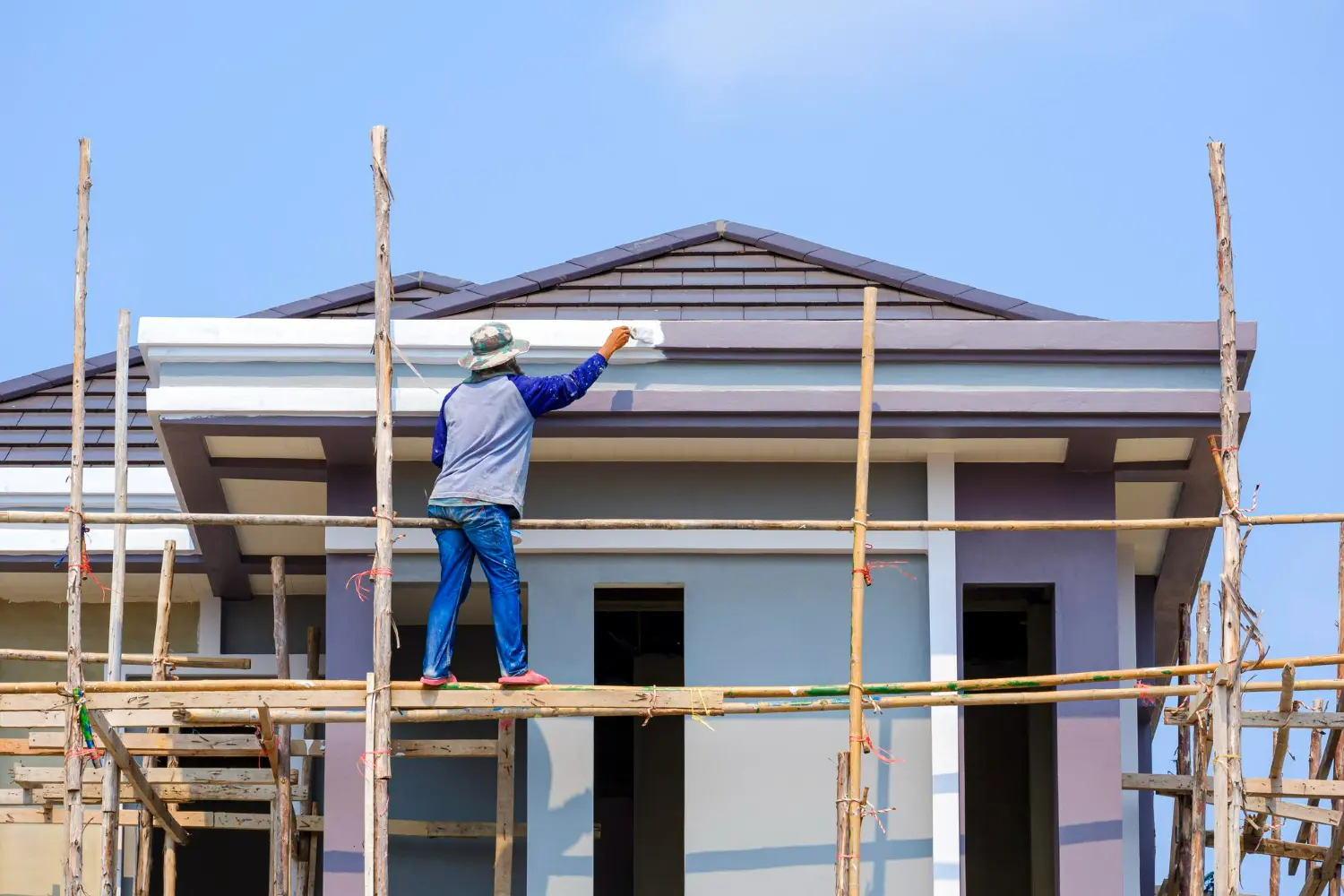
Exterior home painting depends heavily on weather conditions. While paint may seem straightforward, it needs the right environment to bond properly and cure as intended. When conditions such as temperature, humidity, or surface moisture are not ideal, the finish may not dry correctly or hold up over time.
This sensitivity to weather is one reason exterior painting projects require careful timing. Sudden temperature changes, damp surfaces, or incoming rain can all affect how well paint performs once applied. Professional painters often monitor forecasts and surface conditions closely to ensure the work begins under the right circumstances.
Understanding what makes exterior painting weather-sensitive helps homeowners see why timing matters and why experienced crews plan projects around local weather patterns rather than simply choosing the next available day.
Temperature Plays a Critical Role in Paint Performance
Temperature directly affects how exterior paint cures and bonds to a surface. Most exterior paints perform best within a specific temperature range, often 50°F or higher. When temperatures fall below that range, paint may dry too slowly or fail to cure properly, which can lead to problems later.
Common issues caused by painting in temperatures that are too cold include:
- Peeling or flaking paint after a short period of time
- Cracking or uneven coverage as the paint struggles to cure
- Poor adhesion, which prevents the coating from bonding properly to the surface
Even when the air temperature feels comfortable, the surface being painted may still be too cold. Materials like wood, brick, and stucco can hold overnight cold or stay shaded during the day, which slows the curing process.
Before starting work, professional painters often check both air temperature and surface temperature to ensure conditions fall within the recommended range. Waiting for the right temperature helps the paint cure correctly and creates a finish that lasts longer.
Humidity Can Slow Drying and Affect Paint Adhesion
Humidity plays a major role in how quickly exterior paint dries and how well it adheres to surfaces. When there is too much moisture in the air, paint can take longer to dry, which increases the risk of uneven finishes or adhesion problems.
High humidity can lead to several issues during exterior painting, including:
- Slower drying times, which extend project timelines
- Poor paint adhesion, especially on porous materials like wood or stucco
- Uneven finishes, where paint may appear streaky or blotchy
Humidity also affects how moisture interacts with exterior surfaces. Even if a wall appears dry, moisture in the air can prevent the surface from fully drying before paint is applied.
Because of this, professional painters monitor humidity levels along with temperature before beginning exterior work. Applying paint under the right humidity conditions helps ensure a smoother finish and stronger long-term performance.
Rain and Surface Moisture Can Prevent Proper Paint Bonding
Rain is one of the most common weather factors that can delay exterior painting projects. Even after rainfall stops, exterior surfaces may remain damp for hours—or sometimes days—depending on the material and weather conditions.
Painting over a surface that still contains moisture can create several problems, such as:
- Bubbling or blistering paint as trapped moisture pushes through the coating
- Peeling or flaking finishes once the paint dries and loses adhesion
- Discoloration or uneven appearance across the painted surface
Materials like wood siding, trim, and stucco can absorb and hold moisture long after rain ends. Even if the surface feels dry to the touch, moisture beneath the surface can interfere with proper paint bonding.
Because of this, professional painters typically wait until surfaces are completely dry before beginning work. Allowing enough drying time after rain helps ensure the paint adheres properly and cures into a durable, long-lasting finish.
Wind and Airborne Debris Can Affect Paint Application
Wind can interfere with exterior painting by affecting how paint is applied and how clean the finish remains while it dries. Even moderate wind can carry dust, pollen, or small debris that may stick to wet paint.
This can lead to several issues during the painting process, including:
- Dust or debris sticking to fresh paint, creating a rough or uneven finish
- Overspray drifting onto unintended surfaces, such as windows or landscaping
- Uneven paint application if wind disrupts spray patterns
Wind can also speed up drying on the surface of the paint while the underlying layer is still curing. When this happens, the finish may not level out properly, which can affect the final appearance.
Because of these risks, professional painters often pause work when winds are too strong or adjust their methods to protect the finish. Waiting for calmer conditions helps ensure the paint goes on smoothly and dries into a clean, consistent coating.
Local Weather Patterns Influence Exterior Painting Timing
Local weather patterns also play a major role in determining when exterior painting can be done successfully. Conditions can vary widely by region, and understanding those patterns helps painters choose the best window for starting and completing a project.
In areas like the Pacific Northwest, spring weather often includes cool temperatures, damp mornings, and frequent rain, which can affect when surfaces are ready for paint. Homes may also experience different conditions depending on their surroundings.
For example, factors that influence timing can include:
- Sun exposure, where south-facing walls dry faster than shaded areas
- Wind exposure, which can affect application and drying conditions
- Morning moisture or fog, which may delay painting until surfaces fully dry
Painters who are familiar with local climate patterns know how to plan around these factors. By scheduling work during the most suitable weather windows, they help ensure the paint cures properly and the finished project lasts as intended.
Plan Exterior Painting Projects Around the Right Conditions
Weather plays a major role in the success of any exterior home painting project. Temperature, humidity, rain, and wind all affect how paint adheres, dries, and cures once applied. When conditions are not ideal, even high-quality paint may struggle to bond properly or maintain a durable finish.
Because of this, professional painters carefully evaluate weather conditions before beginning exterior work. They look for the right combination of stable temperatures, low humidity, dry surfaces, and calm winds to ensure the paint performs as intended.
When these factors align, exterior paint is more likely to cure properly and provide long-lasting protection for the home. Understanding how weather influences the process helps homeowners see why careful scheduling and experienced planning are key to a successful exterior painting project.
If you’re planning to refresh your home’s exterior, working with a team that understands local weather patterns can make a noticeable difference in the final results. Contact Equipped Painting to learn more about our exterior home painting services and schedule a consultation for your project.