
Choosing Interior Paint Colors That Work in Low-Winter Light
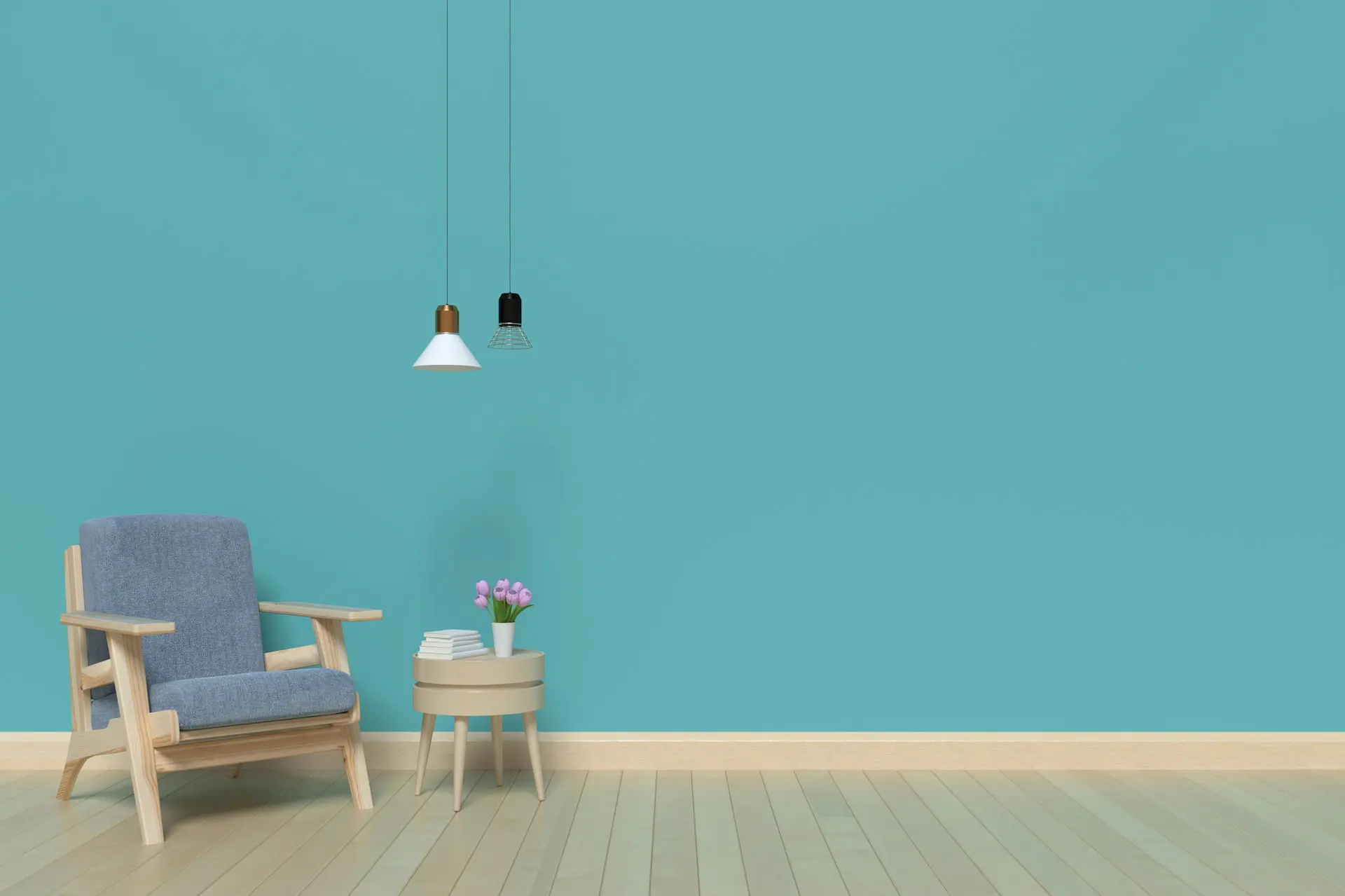
Winter changes how homes feel. Shorter days and overcast skies can make rooms appear darker, cooler, and less inviting than they did in brighter seasons. Colors that once felt warm and balanced may suddenly look flat, gray, or muted under low natural light.
Because of this shift, choosing interior paint colors during winter requires more consideration than simply picking a favorite shade. Light exposure, room direction, and overall mood all influence how color performs when daylight is limited.
This article explains how winter lighting affects interior paint choices, what types of colors tend to work best in low-light conditions, and how to create rooms that still feel warm and inviting throughout the season.
Understand How Lighting Changes in Winter
Natural light shifts throughout the year, and winter makes that shift especially noticeable. Days are shorter, sunlight is softer, and overcast skies filter out much of the warmth that brighter seasons provide. As a result, paint colors can appear darker, cooler, or more muted than expected.
Low winter light tends to emphasize blue and gray undertones. A beige that felt warm in summer may lean dull or flat. Crisp whites can appear stark. Even light neutrals may lose some of their vibrancy when daylight is limited.
Room direction also plays a role:
- North-facing rooms receive the least direct sunlight and often feel cooler year-round
- South-facing rooms receive more light but may still feel dim during extended cloudy periods
- East- and west-facing rooms experience shifting light quality throughout the day
Understanding how each space receives natural light helps prevent color surprises. Testing paint samples on multiple walls and observing them at different times of day provides a more accurate sense of how a shade will perform in winter conditions.
When color choices account for seasonal lighting changes, rooms are more likely to feel balanced and consistent throughout the year.
Choose Paint Colors That Reflect Warmth and Light
When natural light is limited, color temperature becomes especially important. Low winter light often enhances cool undertones, which can make already-neutral spaces feel colder than intended. Selecting shades that carry subtle warmth helps counterbalance that effect.
Warm-leaning colors tend to perform better in darker months because they soften shadows and reflect available light more gently. Instead of absorbing light and appearing flat, they help maintain a sense of brightness and comfort.
Colors that typically work well in low-winter light include:
- Soft creams and warm off-whites
- Light beige or greige with warm undertones
- Muted blush, peach, or sand tones
- Gentle taupe with a hint of warmth
Cool grays and stark whites are still usable, but they require careful testing. In winter conditions, these tones can appear sharper or more sterile than expected. Shifting slightly warmer within the same color family often creates a more inviting result without changing the overall design direction.
Sampling colors directly on the wall, rather than relying on small swatches, helps reveal how they respond to overcast days, morning light, and evening artificial lighting. Choosing shades that hold warmth even when skies are gray helps ensure rooms feel consistent and welcoming throughout the season.
Think About the Purpose and Mood of Each Room
Lighting is only part of the equation. The way a room is used should also influence color selection, especially during winter when spaces can feel more enclosed or subdued.
Different rooms benefit from different types of warmth and saturation. A color that feels calming in a bedroom may feel too muted in a kitchen. Likewise, a bold shade that energizes a dining area might feel overwhelming in a smaller, low-light office.
When choosing winter-friendly colors, consider how each space functions:
- Bedrooms often benefit from soft, calming tones like warm taupe, muted sage, or creamy neutrals
- Living rooms and shared spaces respond well to flexible warm neutrals that shift gently throughout the day
- Kitchens and dining areas can handle slightly richer warmth, such as buttery creams or muted gold tones
- Home offices may benefit from balanced neutrals that feel steady and focused rather than dark or heavy
Accent walls can also help introduce depth in rooms that lack natural light. A carefully selected accent shade can add dimension without making the space feel smaller.
Matching color to function ensures that winter lighting enhances the room’s purpose instead of working against it.
Use Finishes and Accent Choices to Boost Brightness
Color selection is important, but finish and surrounding details also influence how bright a room feels during winter. In low-light conditions, matte surfaces tend to absorb light, while finishes with a subtle sheen can reflect it and create a more dynamic look.
Choosing the right finish can help maximize available light:
- Satin or eggshell finishes reflect more light than flat paint, helping walls feel livelier
- Semi-gloss works well on trim and doors, adding contrast and subtle brightness
- A slightly lighter ceiling color can make rooms feel taller and more open
Accent elements also play a role. Crisp trim provides definition, while painted alcoves or built-ins can create layered contrast that prevents a room from feeling flat.
Artificial lighting should complement paint choices. Warm-toned bulbs tend to enhance creamy or golden hues, while cooler lighting can exaggerate blue or gray undertones. Coordinating paint and lighting ensures that the overall effect remains cohesive, even on darker days.
Together, finish selection and thoughtful accents help create depth and brightness, supporting paint colors that are chosen specifically for low-winter light.
Work With a Pro Who Understands Seasonal Painting Challenges
Choosing paint during winter can be more challenging because lighting conditions are less forgiving. Small undertone differences that might go unnoticed in brighter seasons become more pronounced when daylight is limited.
A professional evaluation helps account for factors that are easy to overlook, such as:
- How natural and artificial light interact throughout the day
- Whether existing flooring, cabinetry, or furniture shift the appearance of a color
- How adjacent rooms influence overall tone and flow
Full wall samples provide more reliable insight than small swatches or online previews. Viewing larger test areas over several days allows homeowners to observe how colors respond to overcast mornings, late afternoons, and evening lighting.
Professional guidance can also help prevent costly repainting if a shade feels too dark, too cool, or too muted once fully applied. Taking time to assess color in real-world conditions ensures that the final result feels intentional and comfortable, even during the darkest months of the year.
How Winter-Ready Colors Maximize Comfort and Style
Choosing interior paint colors that work in low-winter light requires more than selecting a shade that looks good on a sample card. Seasonal lighting, room direction, finish selection, and the purpose of each space all influence how color will ultimately feel once it is on the wall.
By accounting for cooler daylight, testing samples in real conditions, and leaning toward tones that maintain warmth, homeowners can avoid rooms that feel flat or overly gray during the winter months. Small adjustments in undertone or finish often make a noticeable difference in overall comfort and brightness.
Thoughtful color choices ensure that a home feels inviting even on overcast days, while still transitioning smoothly into brighter seasons ahead.
If you are planning an interior painting project this winter, we can help evaluate your lighting, walk through color options, and ensure your chosen shades perform well in real conditions. Contact us to schedule a consultation and bring warmth and balance to your space.